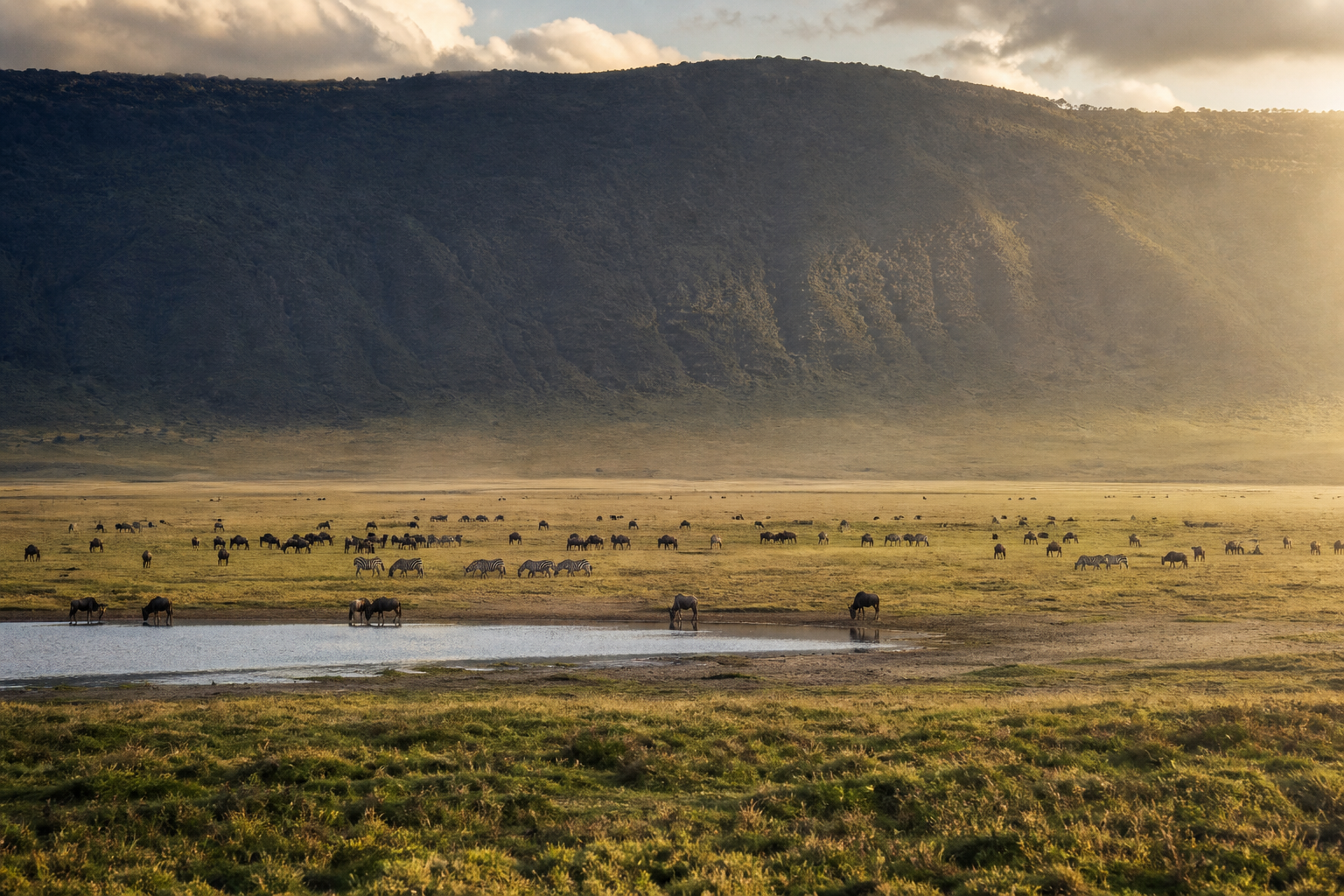
3 Day Tanzania safari
Visit: Tarangire and Ngorongoro
View
Visit: Tarangire and Ngorongoro
View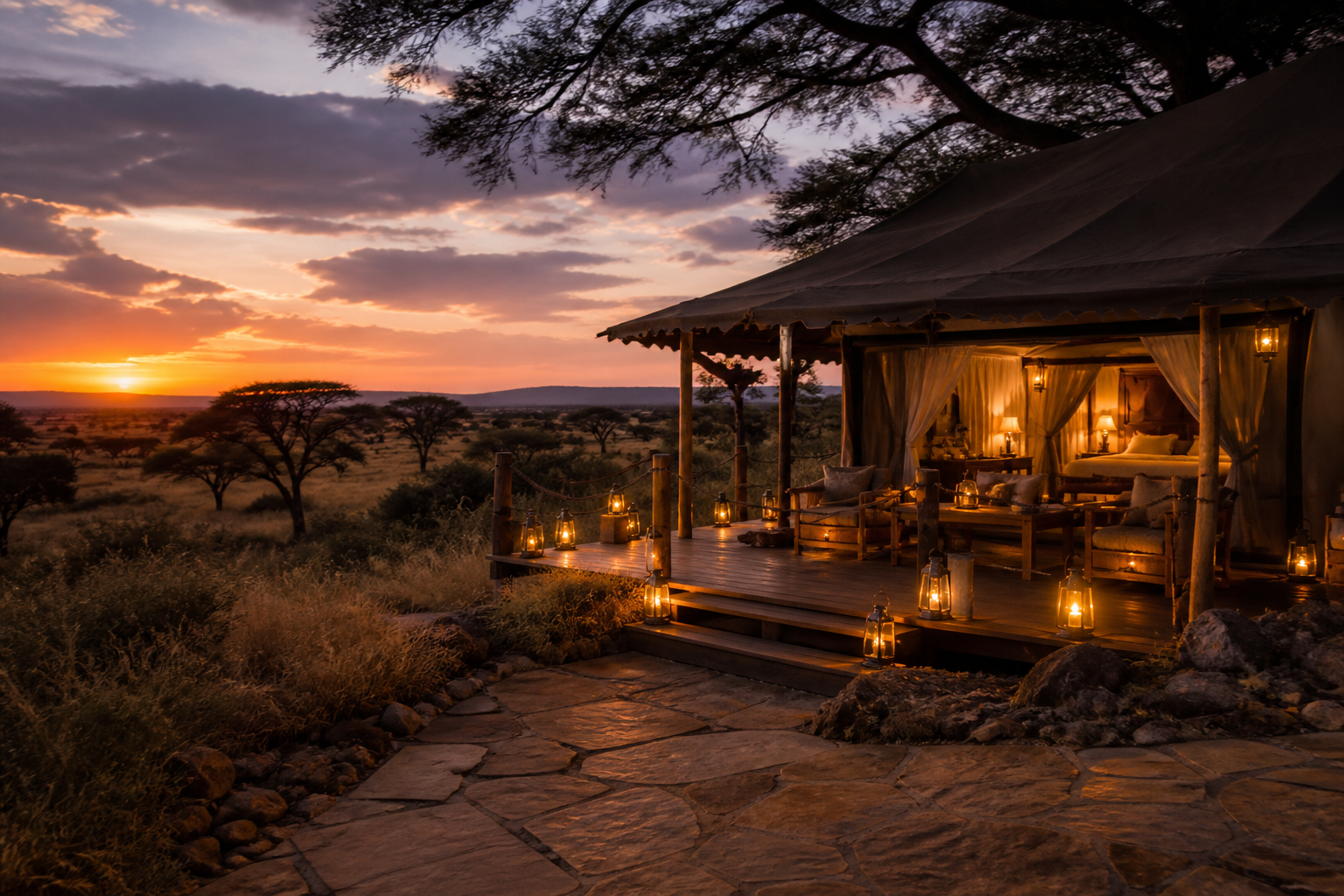
Visit: Tarangire, Manyara and Ngorongoro
View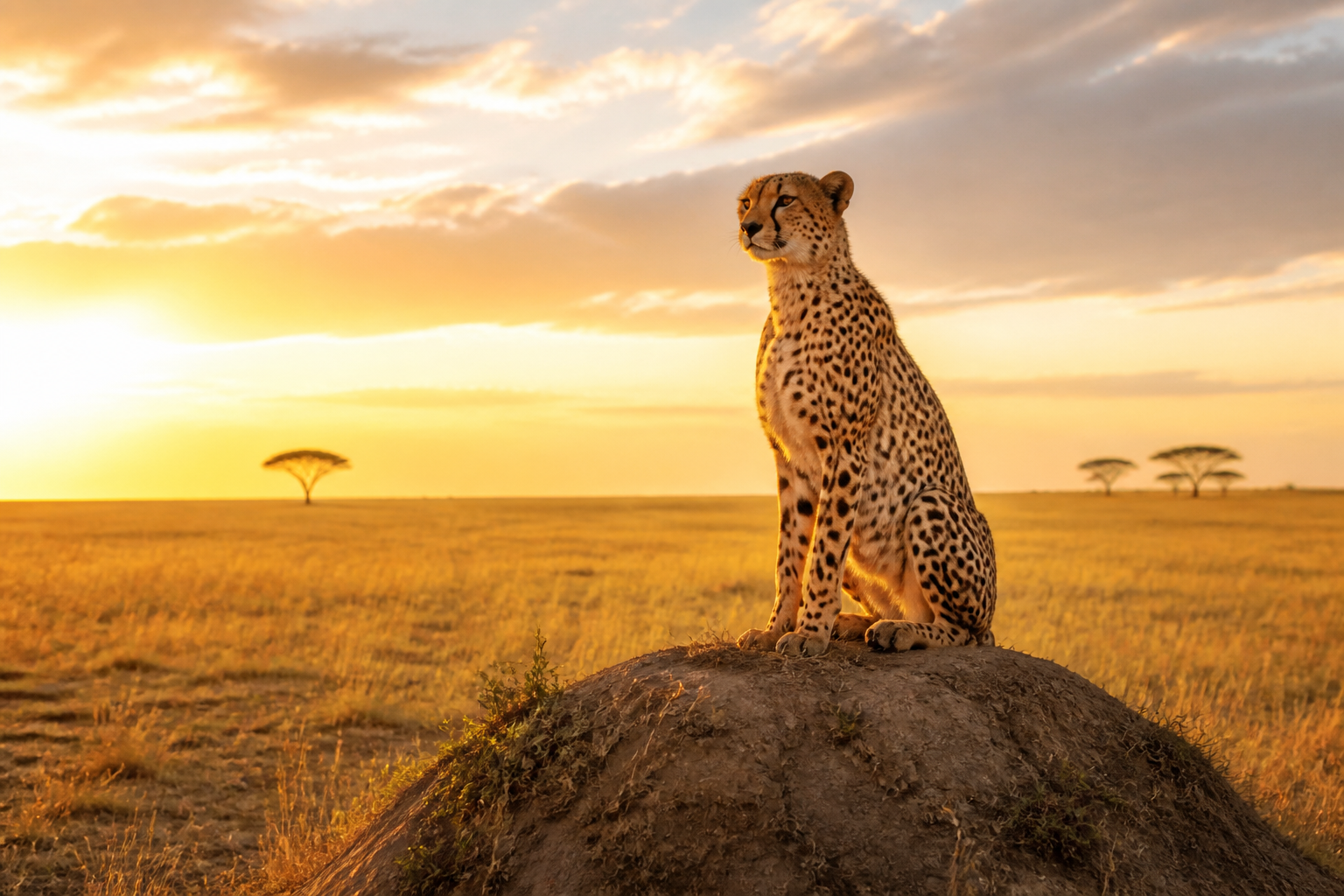
Visit: Tarangire, Serengeti and Ngorongoro Crater
View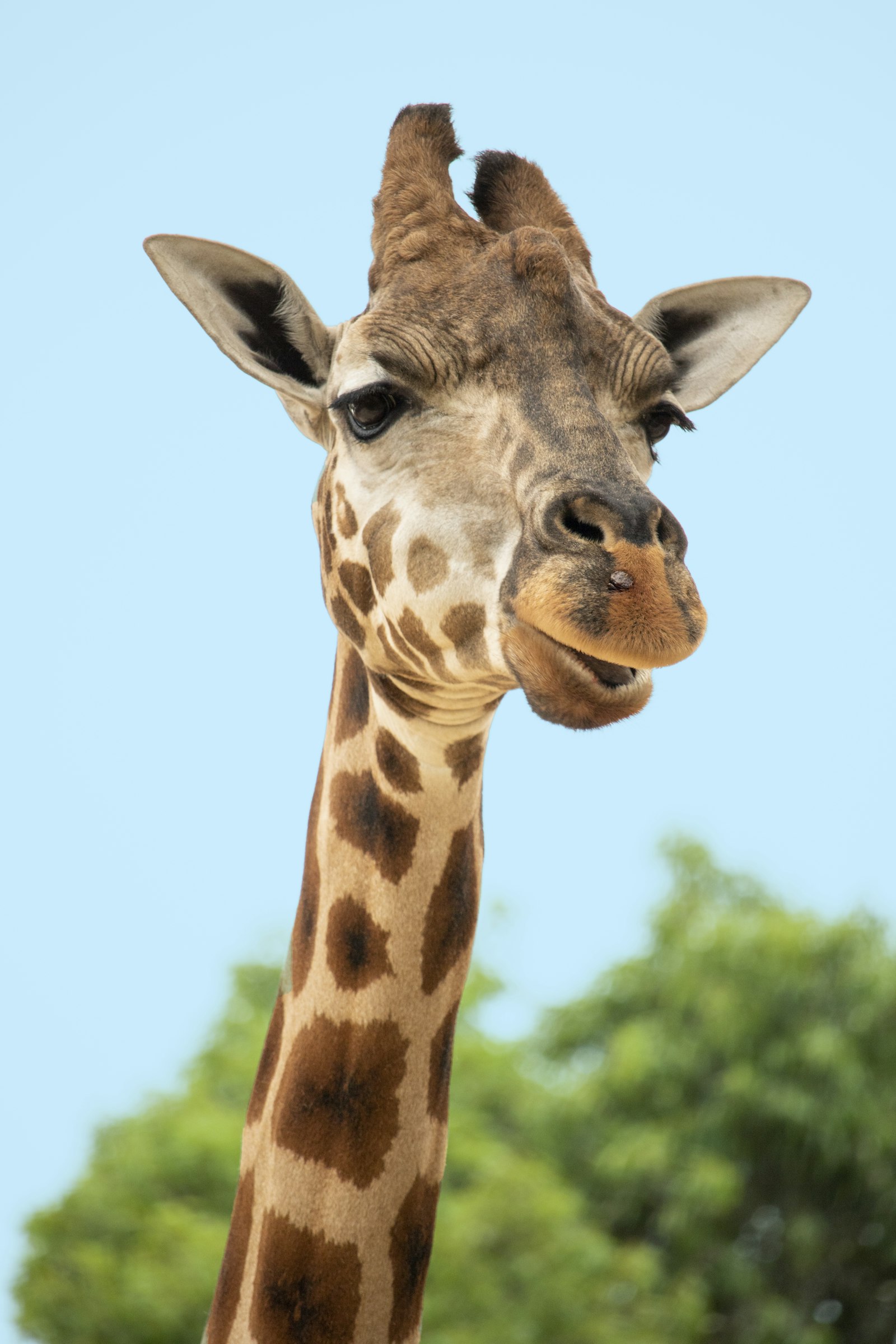
Visit: All Northern Tanzania parks
View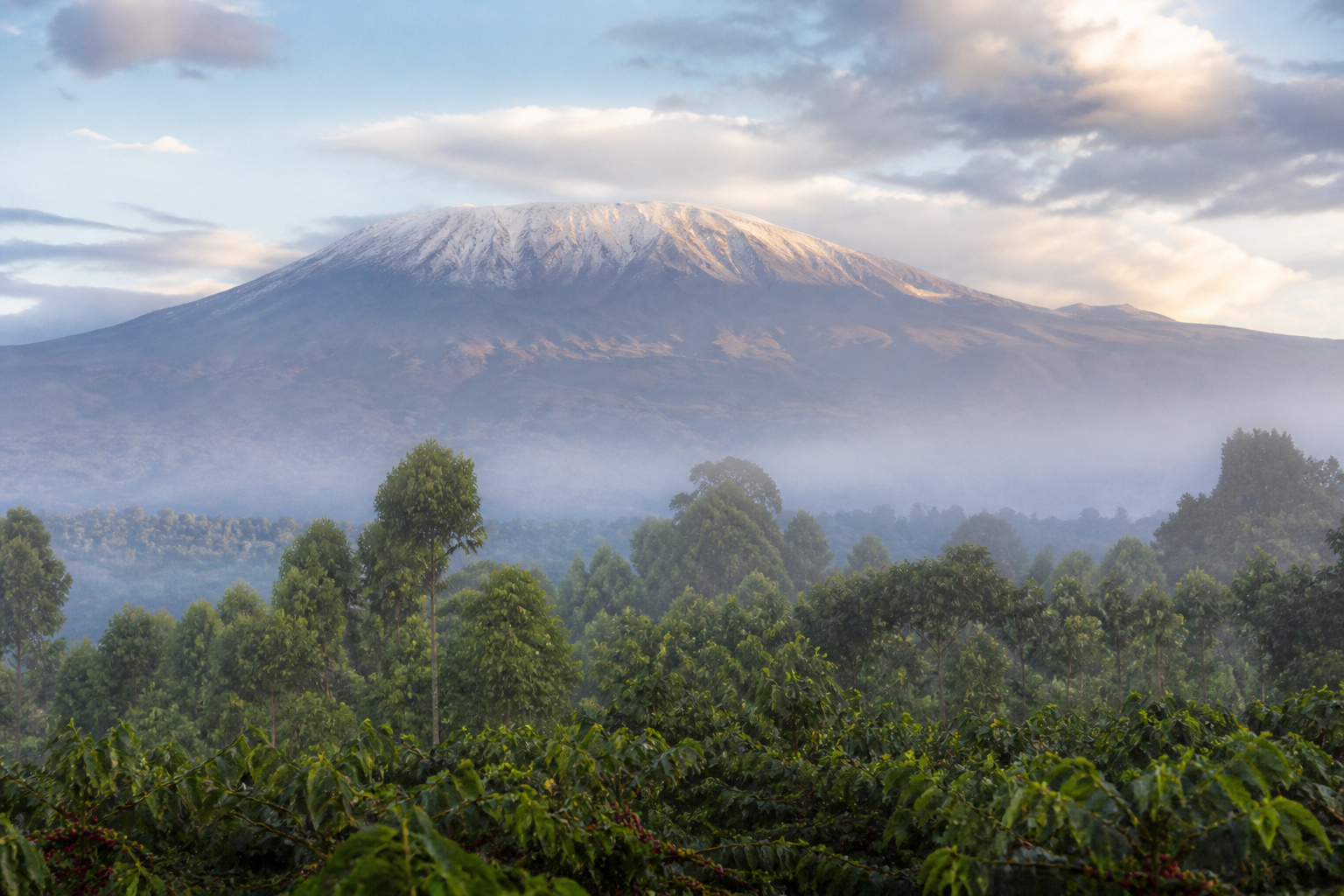
Visit: Serengeti, Ngorongoro and Tarangire
View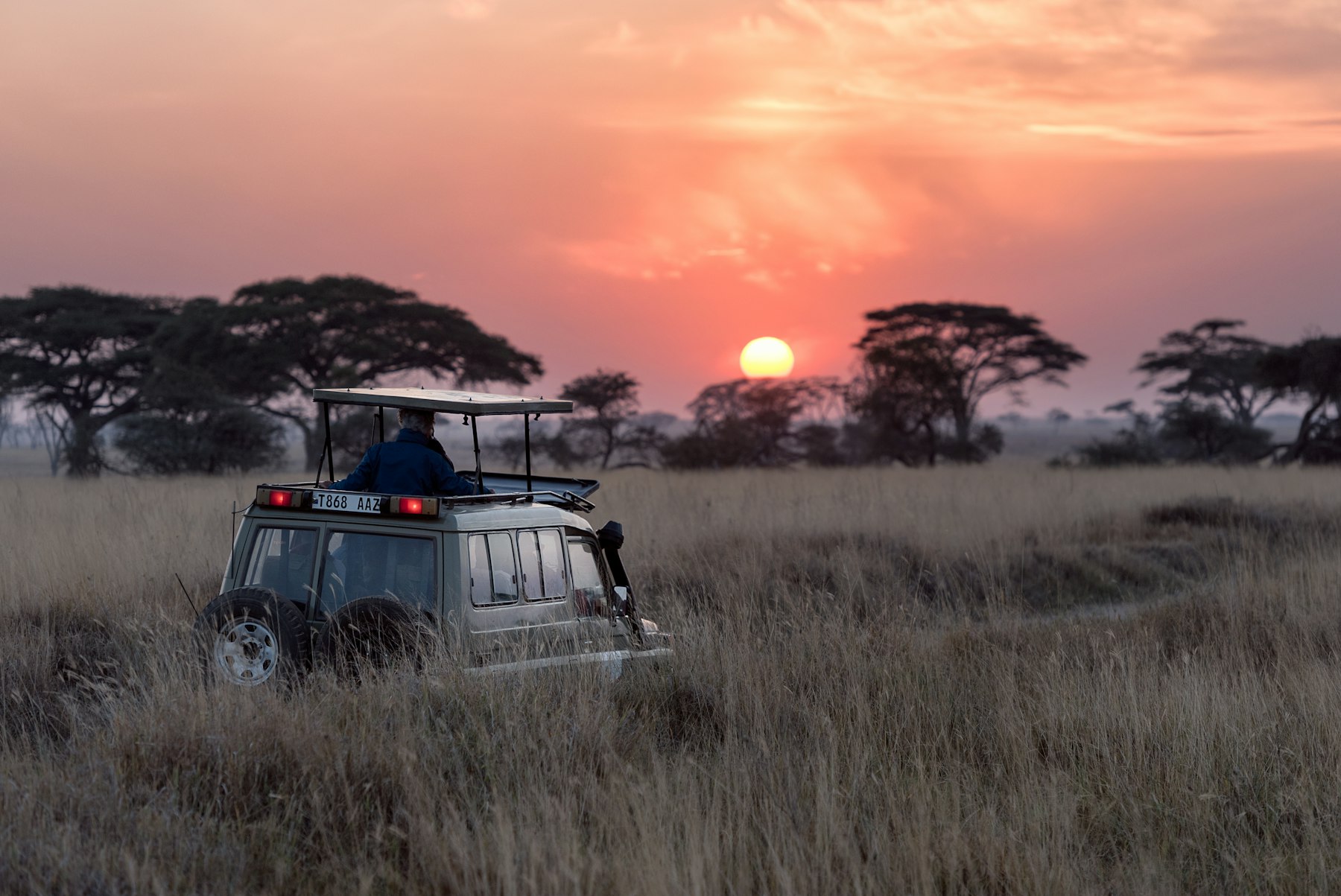
Visit: Serengeti and the Mara River crossing
ViewTell us dates, travellers and style. A safari specialist replies from Arusha.
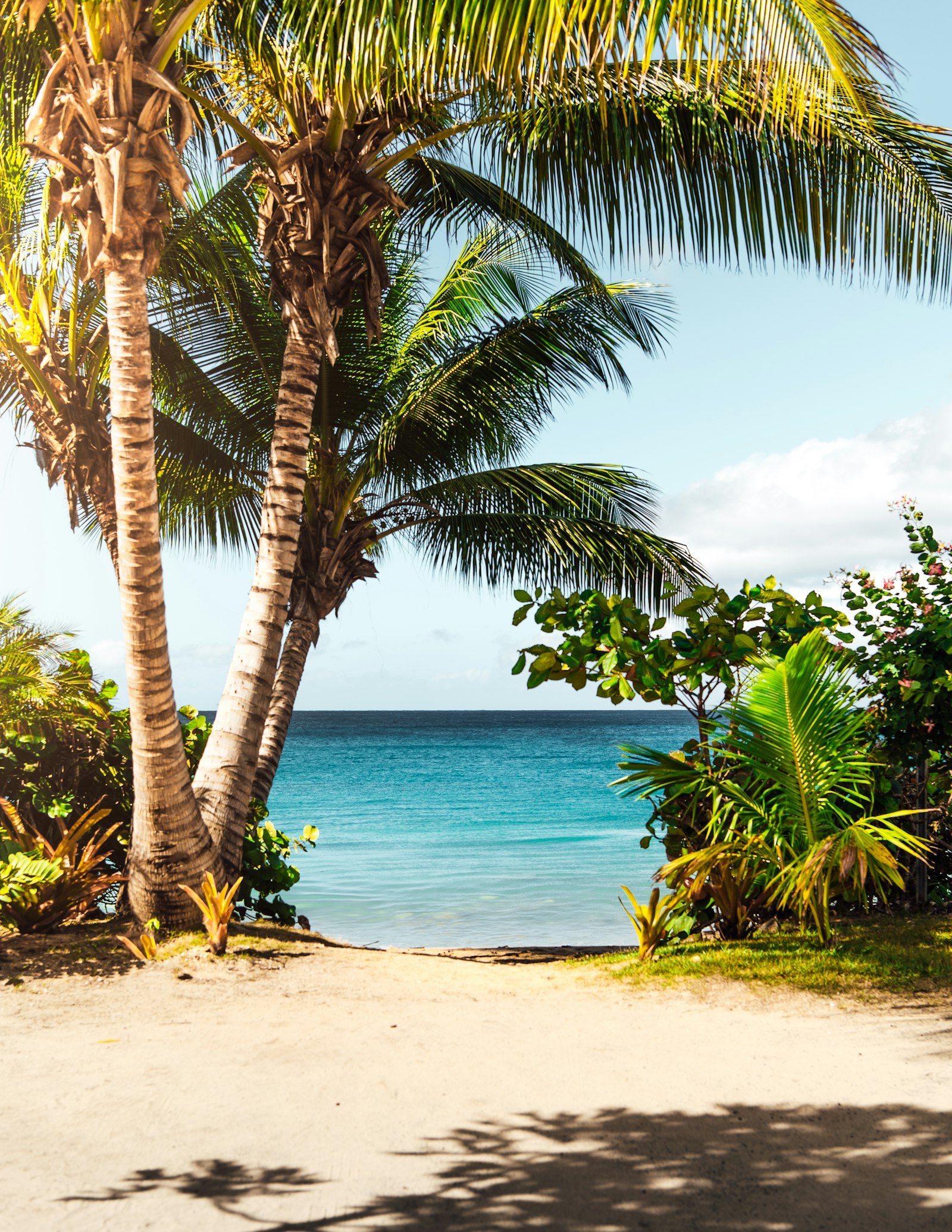
Visit: Stone Town, spice farms and the coast
View
Visit: Tarangire and Ngorongoro after the beach
View
Visit: Tarangire, Serengeti and Ngorongoro Crater
View
Visit: Northern circuit then Zanzibar retreat
View
Visit: Premium lodges and a Zanzibar stay
View
Visit: All Northern Tanzania parks
ViewTell us dates, travellers and style. A safari specialist replies from Arusha.
Marangu, Machame, Lemosho, Rongai and Umbwe routes
View
4-day trek on Tanzania’s second-highest peak
View
3-day climb of the Maasai Mountain of God
ViewTell us dates, travellers and style. A safari specialist replies from Arusha.
Northern circuit parks, Kilimanjaro and the coast
View
Masai Mara, honeymoon and family safari extensions
View
Gorilla trekking and the Pearl of Africa
View
Stone Town, spice farms and beach stays
View
Parks, packing, visas, climate, health and Kilimanjaro
ViewTell us dates, travellers and style. A safari specialist replies from Arusha.
Dry season, long rains, short rains, and how climate changes from the Serengeti to Kilimanjaro and the Zanzibar coast.
Tanzania sits near the equator, but altitude does the real work. Arusha and the northern parks are warm by day and cool at night. The Ngorongoro rim can feel like a European autumn after sunset. Kilimanjaro summit night is well below freezing. Zanzibar is hot and humid in a different way again.
Most of the northern circuit follows a bimodal rain pattern:
The drier stretch from June to October is the classic game-viewing season: animals concentrate near water, the Serengeti grass is shorter, and this is also a prime Kilimanjaro window. January and February are often dry enough for both safari and trekking, with calving in the Ndutu area in the early months of the year.
The coast and Zanzibar stay hotter. Sea breezes help, but midday sun is fierce. The southern parks can follow a slightly different rain timing than Serengeti. Kilimanjaro has vertical climate zones on a single trek — rainforest, heather, alpine desert, ice — so a “dry month” in Arusha can still mean mud on the first mountain day.
Use climate to choose layers and to decide whether migration river crossings, calving, or quieter green-season rates matter more to you. Then read the month-by-month safari notes on best time to visit Tanzania and the mountain calendar on best time to climb Mount Kilimanjaro.
WhatsApp +255 769 891 360 or request a quote. Tell us dates, group size and whether you want a park safari, Kilimanjaro, or both.